Vascular outpatient clinic MEDIZINICUM Hamburg

Angiology

Your vessels at the center of modern medicine

Our blood vessels are a fascinating, vital network that supplies every cell in our body with oxygen and nutrients. In order for this finely tuned system to function smoothly, it requires special medical expertise - angiology. As a branch of internal medicine, angiology deals with the detection, treatment and prevention of diseases of the arteries, veins and lymphatic vessels.

Vascular diseases are widespread and often insidious, as they can go unnoticed for a long time. Symptoms such as leg pain when walking, swelling, varicose veins or an increased risk of stroke or thrombosis are possible signs that should be taken seriously. Today, modern vascular medicine offers excellent opportunities to detect such diseases at an early stage and treat them individually - often minimally invasively and with a high degree of safety.

Our angiology consultation focuses on you as a person. With a wealth of experience, modern diagnostic procedures and a broad therapeutic spectrum, we take care of your vascular health - competently, sensitively and in line with the latest scientific findings.

As an interdisciplinary specialist, angiology is in particularly good hands at the MEDIZINICUM: By working closely with our cardiologists, rheumatologists, radiologists and other specialist disciplines, we offer you holistic, coordinated care under one roof. This interdisciplinary approach enables us to understand complex vascular diseases not in isolation, but in their context - be it in the context of inflammatory rheumatic diseases, cardiovascular risk factors or imaging diagnostics. You benefit from a coordinated treatment concept that is individually tailored to your health needs - competent, networked and at the highest medical level.

Focal points of vascular medicine

Diseases of the arteries

Diseases of the veins

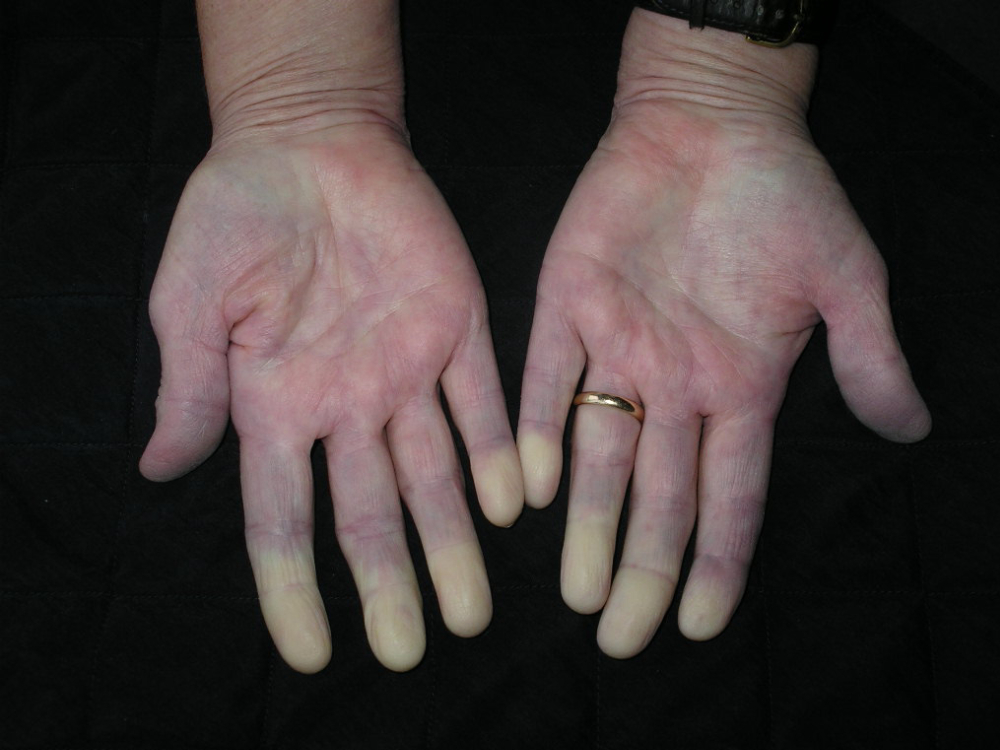
Diseases of the microcirculation

Our diagnostic and therapeutic services at a glance

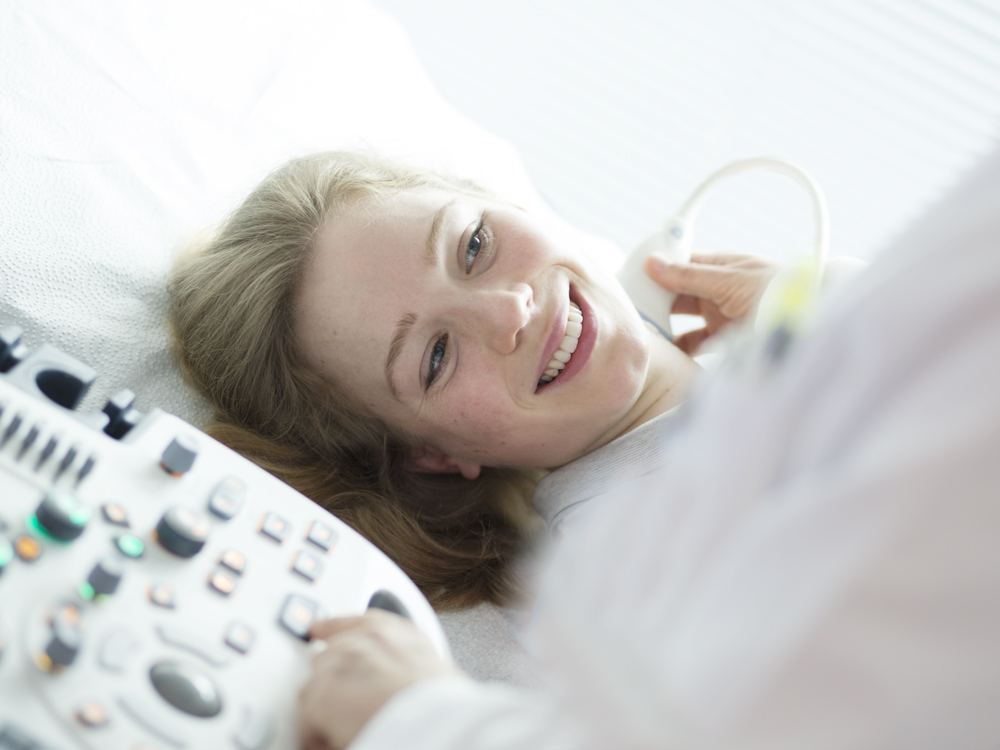
For the early detection and differentiated classification of vascular diseases, we rely on precise, non-invasive measurement methods - reliable, gentle and informative:

Patients with diabetes are at a particularly high risk of heart attack, stroke, circulatory disorders in the legs and amputations. Diabetes affects not only the "large" vessels but also the microvessels. While constrictions in the "large" vessels can be treated by catheter intervention, diseases caused by damage to the microvessels are treated with medication. Those affected often do not notice the poor blood circulation because diabetes can also lead to nerve damage (peripheral polyneuropathy). This often delays a visit to the doctor considerably because injuries or pressure points are not noticed. In order to clarify the circulatory disorder of the legs in diabetics, we carry out special measurements (toe-arm index measurements, optical pulsoscillography of the toes) in our practice.

Therapy

Drug therapy:

  • Anticoagulation (e.g. heparin, DOACs)
  • Platelet aggregation inhibition (e.g. ASA, clopidogrel)
  • Statins for lipid control
  • Immunosuppressants / corticosteroids
  • Diuretics / antihypertensives
Vascular Ambulance-MEDIZINICUM-Hamburg-3

Interventional therapies:

  • Balloon dilatation / stent implantation
  • Endovenous laser or radio wave therapy
  • Catheter interventions

Sclerotherapy:

  • Sclerotherapy
  • Local treatment of inflamed veins
Spondyloarthritides Medical Center
Vascular Ambulance-MEDIZINICUM-Hamburg-3

Compression therapy:

  • Medical compression stockings
  • Bandaging techniques for decongestion

Operational measures:

  • Aneurysm operations
  • Stripping / miniphlebectomy
Vascular Ambulance-MeDIZINICUM-Hamburg

Lifestyle

  • Quit smoking, exercise, nutrition
  • Training for chronic venous diseases
  • Cold protection and stress reduction
  • Follow-up checks & secondary prevention

Prevention

Cardiovascular diseases are a major cause of chronic illness and premature death. The underlying cause is usually atherosclerosis, which develops unnoticed over a long period of time and is usually advanced at the time of the first symptoms. It often leads to a fatal heart attack or stroke before a diagnosis can be made. Atherosclerosis is caused by the interaction of various risk factors such as obesity, smoking, low physical fitness, genetic factors (family history), high blood pressure, high cholesterol levels and diabetes mellitus. The aim of prevention is to identify and treat the risk factors before symptoms of atherosclerosis appear. Improving the individual risk profile effectively reduces the rate of non-fatal and fatal events.

Warning signs of coronary heart disease can be exercise-induced pain/pressure in the chest. The symptoms often radiate into the left arm. Sudden unconsciousness also requires urgent clarification, as it can be the first symptom of life-threatening heart disease.

A stroke can be preceded by short-term blindness in one eye (amaurosis fugax), weakness in one half of the body or a temporary speech disorder. If such symptoms occur, you should see a doctor immediately as an "emergency".

The first symptoms of "intermittent claudication" (peripheral arterial occlusive disease, PAD) are exercise-induced pain in the calf muscles. However, depending on the underlying vascular problem, pain can also occur in the buttocks, thigh or foot. Typically, the pain disappears within a few minutes after a short break. If the disease progresses, pain at rest, discoloration and death of the toes/feet may occur.

It is important to identify the existing risk factors and then make the best possible adjustments for the patient. The risk of serious cardiovascular disease can be reduced very effectively by positively influencing lifestyle and through optimal drug therapy.

First, an assessment of the individual risk profile and an examination of the heart and vascular system are carried out. We then discuss how to reduce the risk by changing your lifestyle and taking medication. A diet and lifestyle consultation can also be arranged at our practice. The therapy is then regularly optimized as part of check-ups.

Our attending physician

PD Dr. med. Peter Kuhlencordt
Specialist in internal medicine, cardiology and vascular medicine (angiology) and holds an additional qualification in preventive medicine.

Further information...

Locations & Contact

Our locations in Hamburg

Our location in Schleswig-Holstein

x
Telephone
Radiology St. Stephen's Square Othmarschen Nienstedten Wellingsbüttel New wall Bergedorf On the Alster Fontenay Ahrensburg
Online appointment Recipe Forms