

Center for Rheumatology
and autoimmune diseases
Rheumatology is a medical specialty that deals with the diagnosis and treatment of inflammatory rheumatic systemic diseases. These are primarily inflammatory autoimmune diseases. These can affect the musculoskeletal system, i.e. the joints, bones, muscles, tendons and ligaments, and often also vital organs (e.g. lungs, heart, kidneys, nervous system and many more) in the body.
Rheumatologists are doctors who specialize in the diagnosis and treatment of inflammatory rheumatic systemic diseases.

Rare rheumatological and immunological systemic diseases in particular are often complex, so that each additional expert with his or her valuable experience and skills and new perspectives can advance the diagnostic detective work that is indispensable in such complex cases.
The MEDIZINICUM stands for its specialists in the field of rheumatology. Our team of 75 doctors from over 30 specialist areas work together on an interdisciplinary basis to take a holistic view of your symptoms and make an accurate diagnosis.

Interdisciplinary rheumatology is the main focus of the MEDIZINICUM
Here you can expect medicine at the highest level and state-of-the-art technology. You can always rely on competent specialists: Our Medical Director, Dr. med. Keihan Ahmadi-Simab, is listed by the "Medical Honboard 500" of the "Who's Who" encyclopaedia as one of the "recognised authorities" in rheumatology. Dr. Ahmadi-Simab already contributed his knowledge as head physician of the corresponding departments at the Regio Klinikum Wedel as well as at the Asklepios Klinik Altona, and he also founded the Rheumatology Centre Wedel and the Asklepios Rheumazentrum Hamburg, among others. Furthermore, Dr. Ahmadi-Simab is active as a reviewer for various recognised publications on rheumatology.
Why see a rheumatologist?
Rheumatism has many faces. Rheumatologists are best able to recognise rheumatic manifestations and - what is often decisive - differentiate between them at an early stage (rheumatism check) and then make the correct diagnosis.
Rheumatic complaints have various causes; sometimes the complaints originate from completely different organs or diseases. Rheumatologists know these, often very rare, causes, investigate them and can treat them effectively.
Rheumatic diseases are often chronic or recurring illnesses, often changing their face as they progress. However, they usually have to be treated with permanent medication. Rheumatologists can apply the right therapy at the right time, check its effectiveness and tolerability again and again and, if necessary, redesign the therapy again and again according to your needs. The latest data show that early and regular consultation with a rheumatologist significantly improves the prognosis for many diseases.
Many rheumatic diseases can also affect the internal organs, which can be life-threatening or organ-threatening. As the rheumatologist usually has a sound specialist training as an internist, he can treat holistically and "look beyond the joint", i.e.: recognise and differentiate between connections with the rheumatic disease or its therapy.
Recently, completely new and partly genetically engineered rheumatism therapies have become available, which are on the one hand very effective, but on the other hand not without risks, as they have a profound influence on the immune system. Only the rheumatologist has sufficient experience with these therapies to weigh up the benefits against the possible risks for each individual patient and then make the right choice. AND: He can recognize side effects in time and protect the patient from them by appropriate training.
Rheumatism therapy has changed fundamentally in recent years, research has made rapid progress and new drugs are coming onto the market almost daily. Today, several drugs are often combined to treat even more effectively and prevent permanent joint damage. Only a rheumatologist can keep up to date with the latest developments.
Rheumatism patients need a variety of aids and very often also other specialists (orthopaedists, ophthalmologists, X-ray doctors, ENT doctors, dermatologists, neurologists) or other professional groups (physiotherapists, physiotherapists, occupational therapists and and and), who are all experienced in this matter. Rheumatologists always work in a permanent team and can therefore set the necessary course in good time if necessary.
Rheumatologists can never and never want to replace your family doctor, but work closely with him/her, discussing the treatment steps and giving recommendations for regular checks on illness and therapy.
Do I have rheumatism?
Below you will find a list and a search function of signs that could indicate a rheumatic disease.
... again: COULD. But you don't have to! So: If, on the one hand, you would answer "YES" to several of the following questions about a clinical picture and, on the other hand, your doctor has not yet found an explanation for it, this could indicate a rheumatic disease. You should consult a rheumatologist to arrange for further examinations.
This check can only be a help, a kind of grid. Under no circumstances can this check replace the personal consultation with your doctor.
To be clear: The questionnaires are intended to provide professional support and can under no circumstances form the basis for a treatment decision without medical knowledge of all relevant findings. (We strictly adhere to the principles of the 'Health on the Net' (HON) convention (available at www.hon.ch/HONcode/German/) when providing medical decision support via the Internet.
- Rheumatoid arthritis (inflammatory rheumatism of the joints)
- Spondyloarthritis (= inflammatory rheumatism of the spine)
- Inflammatory rheumatic systemic disease: Collagenosis
- Inflammatory rheumatic systemic disease: Vasculitis
- Osteoporosis (=thinning of the bone)
Keyword search
You can also search specifically for the symptoms you are experiencing and, depending on the results, you will be taken to the corresponding rheumatism check page. Enter terms such as "swollen finger joints" or "weight loss" in the search field.
Rheumatic symptoms
The symptoms can occur in many different ways. Patients often complain of joint swelling without previous injuries or generally new joint pain.
Unclear muscle pain and muscle weakness, especially when accompanied by signs of inflammation in the blood, can be an indication of a possible rheumatic disease.
Extreme sensitivity to cold of the hands and fingers with white or blue discoloration (Raynaud's symptoms) can be a symptom.


Diagnosis and technical examinations
Rheumatologists use various diagnostic procedures to identify inflammatory rheumatic systemic diseases
- Medical history and physical examination: The doctor discusses the patient's symptoms and carries out a thorough examination of the joints and musculoskeletal system.
- Imaging: X-rays, ultrasound, MRI and CT examinations are used to visualize joint and tissue changes.
- Laboratory tests: Blood tests can detect inflammatory markers and autoantibodies that indicate certain inflammatory rheumatic systemic diseases.
- Joint puncture: A joint puncture can be performed to analyze joint fluid or to reduce local inflammation by instilling medication.
Treatment
The treatment of inflammatory rheumatic systemic diseases varies depending on the type and severity of the disease. The approaches consist of several pillars.
- Medication: Drugs that modulate the immune system and then basic therapy DMARDs and biologics are used for rheumatic diseases. This curbs the excessive inflammation of the immune system.
- Pain medication: In acute episodes of rheumatic disease, individually tailored pain relief is often necessary.
- Physical therapy: Exercises, physiotherapy and occupational therapy can help to improve mobility and muscle strength.
- Lifestyle changes: A healthy diet (anti-inflammatory diet), weight normalization and regular physical activity support drug therapy in the management of rheumatic diseases.
- Surgical interventions: In some cases, surgical measures such as joint replacement surgery are necessary.
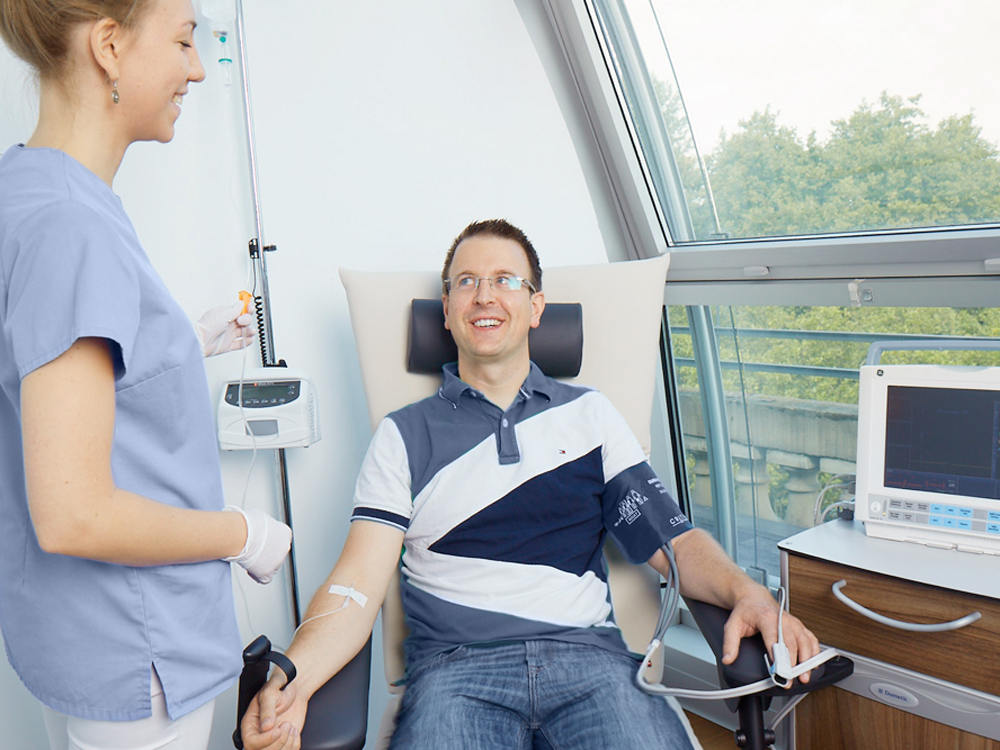
Rheumatic diseases



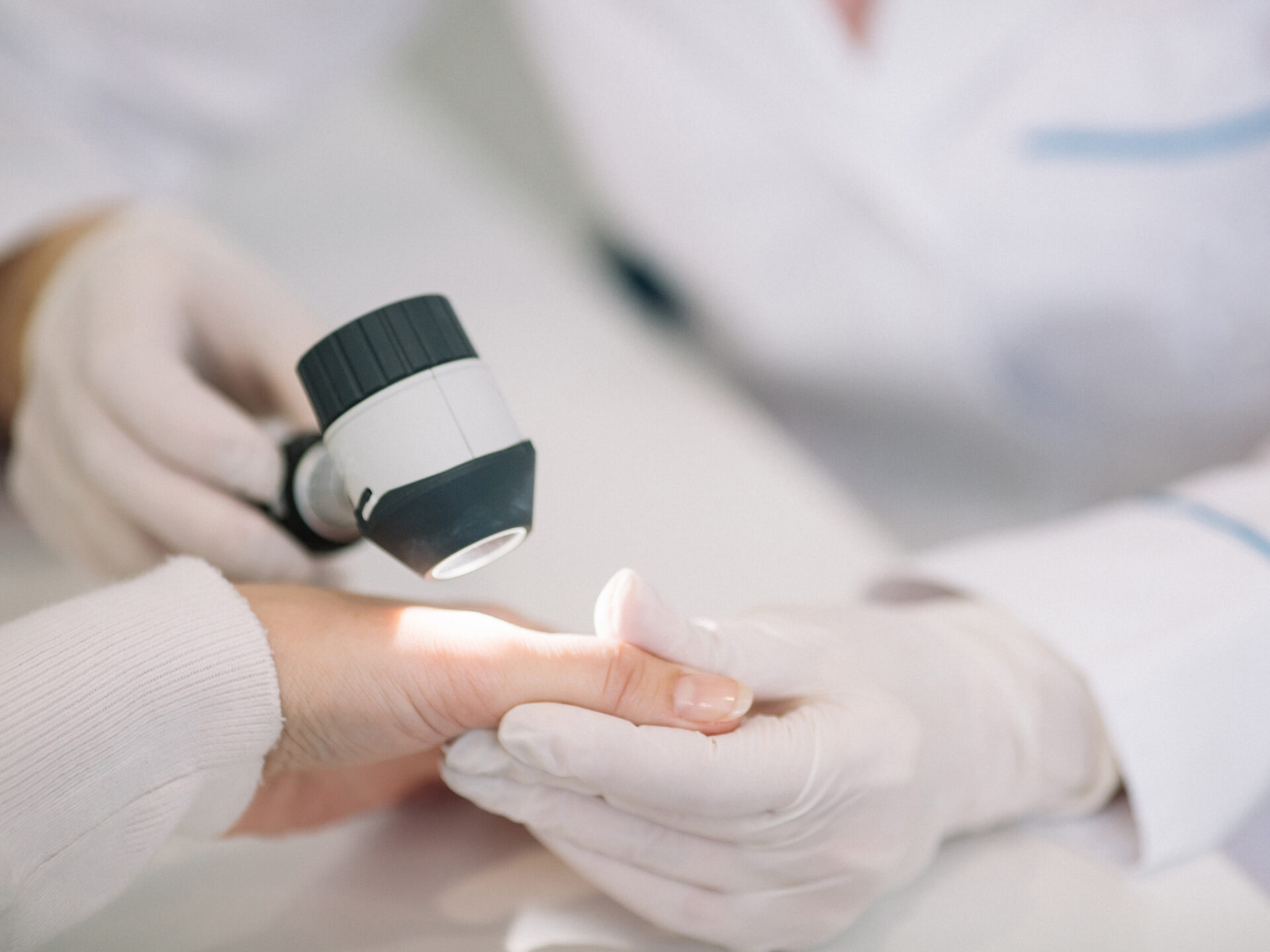


Rheumatology treats a variety of diseases, including:
- Rheumatoid arthritis (RA): A chronic autoimmune disease that primarily affects the joints and can lead to inflammation, pain and joint damage. It can also lead to other organ involvement (especially the lungs).
- Collagenoses such as systemic lupus erythematosus (SLE), systemic sclerosis, polymyositis, Sjögren's syndrome, mixed collagenosis: autoimmune diseases that can affect various organs (especially the lungs, kidneys, nerves) and musculoskeletal tissue in the body.
- Vasculitides such as granulomatosis with polyangiitis, eosinophilic granulomatosis with polyangiitis, microscopic polyangiitis, giant cell arteritis: autoimmune diseases that affect the small, medium and large vessels in particular and therefore represent life-threatening clinical pictures.
- Spondylarthritides such as ankylosing spondylitis (Bechterew's disease): A group of inflammatory diseases that primarily affect the spine, such as axial spondylitis
- Psoriatic arthritis: An autoimmune disease that can lead to joint and tendon inflammation and spinal involvement in patients with psoriasis.
- Reactive arthritis: An autoimmune disease that is triggered by a viral or bacterial infection and can lead to inflammation of tendons and joints.
- Gout: A metabolic disease in which uric acid crystals are deposited in the joints, causing inflammation and pain.
- Fibromyalgia: A chronic pain syndrome that causes pain in various parts of the body near joints and muscles. There are often additional vegetative symptoms, such as concentration disorders and severe fatigue. This is not an inflammatory rheumatic systemic disease.
- Osteoarthritis (osteoarthritis): The most common form of chronic joint disease in which the cartilage in the joints deteriorates, leading to pain and restricted movement. This is not an inflammatory rheumatic systemic disease.
Rheumatic inflammatory diseases - the path to diagnosis
Unlike the non-inflammatory diseases of the musculoskeletal system, the inflammatory diseases of the joints and spine, which make up rheumatism in the narrower sense, are a fairly small group. This means that the relatively few inflammatory diseases have to be distilled out of the multitude of non-inflammatory diseases with a certain amount of intuition. This also applies to inflammatory systemic diseases, which are immune diseases that can ultimately affect any organ and any tissue.
Laboratory values and other instrumental examination methods provide important contributions, but are of secondary importance in clarifying the diagnosis. The anamnesis/discussion between the patient and the doctor and the physical examination are of primary importance. They lead to the doctor's initial assessment, which paves the way for further diagnosis. The patient contributes the subjective part/the internal view of their illness, the doctor the external view/the objective part. Neither the one nor the other alone ultimately leads to clarification and successful treatment; the patient and doctor must combine their respective views and set off together.
Today, medical work and medical diagnostics are under constant time pressure. Patients can make sensible preparations here by becoming aware of their complaints and putting them into words. One of the most common complaints of the musculoskeletal system is pain, which is known to be invisible and must be described as precisely as possible by the patient. The description should include
- the place of pain
- the circumstances under which pain occurs (exertional/rest pain),
- Pain intensifying/attenuating influences,
- the influence of the time of day,
- the effect of applying heat/cold to the site of pain,
- the duration of the morning stiffness;
- In the case of episodic pain, in addition to triggering factors, the occurrence of joint swelling and possibly skin discoloration on the affected joint are significant; photographs brought along can be helpful here.
Inflammation of the joints or spine can develop as a result of other inflammatory diseases. Of particular note here are rheumatic complaints in psoriasis and chronic intestinal inflammation, including Crohn's disease and ulcerative colitis.
- If you already have reports from other doctors, you should bring them with you,
- This also applies in particular to X-ray, MRI and computer tomography/CT examinations, where not only written findings but also the images should be brought along (today mainly as image files on CD or by means of an access code for digital storage).
Of course, a list of all current medications should be available at the presentation.
- If anti-rheumatic medication has already been taken in the past, the rheumatologist needs a list of the respective duration of use and the effects of the medication (effect on inflammation, tolerance).
Good preparation helps to keep the path to diagnosis and therapy short. The same applies to making appointments. It is well known that Germany is undersupplied with rheumatologists.
- In order to make the best possible use of scarce consultation appointments, Hamburg has the Hamburg Rheumatism Questionnaire, which the referring doctor can use to provide us with information on the urgency of the situation.
- If existing findings are attached to this form, we may be able to arrange an accelerated appointment.
The time between the onset of the rheumatic disease and the start of treatment often has a lasting influence on the further course of the disease. Just like the patients, we therefore have a great interest in achieving the best possible treatment outcome through early diagnosis and an early start to treatment.
First presentation
Dear Patient,
Today, medical work and medical diagnostics are under constant time pressure. You can prepare for your appointment in our consultation by getting as accurate a picture as possible of your symptoms. It is well known that pain is not visible and must be described as precisely as possible by the person affected. The description should include
- the place of pain
- the circumstances under which pain occurs (exertional/rest pain),
- Pain intensifying/attenuating influences,
- the influence of the time of day,
- the effect of applying heat/cold to the site of pain,
- the duration of the morning stiffness;
- In the case of episodic pain, in addition to triggering factors, the occurrence of joint swelling and possibly skin discoloration on the affected joint are significant; photographs brought along can be helpful here.
Have you been diagnosed with any other illnesses?
- If you already have reports from other doctors, please bring them with you,
- This also applies in particular to X-ray, MRI and computer tomography/CT examinations, where not only written findings but also the images should be brought along (today mainly as image files on CD or by means of an access code for digital storage).
We also need a list of all your medications.
- If you have previously taken anti-rheumatic medication, we need a list of the duration and effects of the medication (effect on inflammation, tolerance).
Good preparation helps to keep the path to diagnosis and treatment short.
The earlier the treatment of rheumatic inflammatory diseases begins, the better the treatment outcome.
Help us to avoid delays!
Causes and risk factors
The causes and risk factors for inflammatory rheumatic systemic disease vary depending on the type of disease.
- Autoimmune diseases:
There is an excessive activation of the immune system, whereupon the body's own tissue is attacked. The exact cause of this malfunction of the immune system is often unknown. A genetic predisposition, infections and environmental factors appear to play a role. - Genetic predisposition:
Some people have an increased risk of developing rheumatic diseases due to their genetic predisposition. In some cases, certain gene variants can increase the risk of developing these diseases. - Environmental factors:
Environmental influences, such as infections or exposure to certain chemicals or toxins, can affect the immune system and increase the risk of rheumatic diseases. Smoking in particular is a known risk factor for the development of inflammatory rheumatic systemic diseases. - Hormonal influences:
Hormones can play a role in some rheumatic diseases. - Age:
The age of manifestation varies depending on the disease, but can affect people of all ages. - Overweight:
Being overweight and obese can increase the risk of developing an inflammatory rheumatic systemic disease. In addition, being overweight can lead to excessive stress on the joints and thus accelerate cartilage degradation, which can promote the development of osteoarthritis (osteoarthritis). - Family history:
The presence of rheumatic diseases in the family can increase the risk of these diseases. This indicates a genetic predisposition. - Gender:
Some rheumatic diseases occur more frequently in a particular gender. For example, women are significantly more likely to suffer from systemic lupus erythematosus and rheumatoid arthritis. Axial spondyloarthritis mainly affects men.
It is important to note that the exact causes and risk factors for each rheumatic disease can be complex and vary from disease to disease. Research into these factors is an active area in rheumatology to improve the prevention and treatment of these diseases.
Prevention
A healthy lifestyle can help to reduce the risk of inflammatory rheumatic diseases. Quitting smoking, a balanced diet and regular physical activity are important preventative measures. Rheumatology plays a crucial role in improving the quality of life of people with rheumatic diseases. It helps to relieve pain, control inflammation and restore mobility. It is important to seek medical help early if signs or symptoms of rheumatic disease appear. Early diagnosis and prompt treatment improve the prognosis of the disease.
The experienced team of rheumatologists at MEDIZINICUM
Rheumatologists with many years of clinical experience are very often able to establish a diagnosis or at least a working diagnosis through a specific anamnesis and a precise goal-oriented physical examination alone, which can then be confirmed or ruled out through further initially simple diagnostic measures such as imaging and laboratory. This experience enables a quick orientation and an appropriate consultation in the Hamburg MEDIZINICUM.
Please feel free to make an appointment.
We are here for everyone!
Location Stephansplatz:
Private patients & self-payers under +49 40 - 320 88 31-0
Legally insured patients under +49 40 - 298 444-0
Nienstedten location:
All patients at +49 40 - 81 99 450
News and current topics

Our attending physicians at Stephansplatz

Dr. med. K. Ahmadi-Simab
Medical Director
Specialist in internal medicine,
Rheumatology, clinical immunology, gastroenterology

Dr. med. A. von Elling
Senior physician
Specialist in internal medicine,
Rheumatology, nephrology

Margarete Kern, MD
Senior Physician
Specialist in Internal Medicine and Rheumatology

Dr. med. Joachim Ebel
Specialist in Internal Medicine
and Rheumatology

Dr Bettina Panzer
Specialist in Internal Medicine,
Nephrology, Rheumatology

Dr. med. Ina Schellenberger
Specialist
for Internal Medicine

Dr. med. Kerstin Hübner
Specialist
for internal medicine

PD Dr. med. A. Schnabel
Specialist in Internal Medicine,
Rheumatology

Elisabeth Weißbarth-Riedel, MD
Specialist in Pediatrics and Adolescent Medicine, Pediatric Rheumatology (Pediatric Rheumatology)
More info...

Lynn Leberkühne
Specialist in internal medicine, training assistant in rheumatology

Jana Petersen, M.D.
Specialist for Internal Medicine, Resident in Rheumatology

Dr. Med. Monika M. Klass
Specialist in internal medicine and rheumatology

Christian Lüke
Specialist in internal medicine
and rheumatology.

Prof. Dr. med. Johann Oltmann Schröder
Specialist in internal medicine and rheumatology

Dr. Rahman Osei-Davies, MD
Specialist in internal medicine and rheumatology
Our treating rheumatologists in Nienstedten

Prof. Dr. med. Reinhold-Keller
Specialist in internal medicine,
Rheumatology, osteology
Margarete Kern, MD
Senior Physician
Specialist in Internal Medicine and Rheumatology


