Functional Gastrointestinal Diseases Hamburg

Constipation

Digestive complaints - an overview

Digestive disorders, also known as gastrointestinal dysfunction, encompass a spectrum of symptoms that affect the gastrointestinal tract. Similar to irritable stomach syndrome, they include conditions characterized by impaired function of the digestive system without an obvious organic cause. Constipation, or constipation in medical terms, is one of the most common forms of these complaints.

Constipation refers to difficult, infrequent or incomplete defecation that occurs occasionally in many people. Symptoms may include bloating, a feeling of incomplete evacuation, hard or lumpy stools and unusual straining to defecate. If these symptoms persist for weeks or longer, it is called chronic constipation.

Causes and diagnosis

The exact causes of constipation can be varied. Possible factors include low fiber intake, insufficient fluid intake, lack of physical activity, side effects of medication or a change in usual routine such as traveling. In some cases, constipation can also be a symptom of other medical conditions, such as irritable bowel syndrome.

The diagnosis of digestive complaints, including constipation, requires a thorough history, physical examination and the use of specific diagnostic tests where appropriate. This careful approach is crucial to rule out other potentially serious conditions and enable effective treatment.


Medical history and physical examination

The medical history should include a detailed survey of symptoms, including bowel habits, stool consistency, straining to defecate, the feeling of incomplete evacuation, the use of manual maneuvers for defecation and the frequency of defecation. It is also important to record dietary habits, physical activity, medication history and the presence of stress or psychological disorders.

Stationary Treatments-MEDIZINICUM-Hamburg-111

The physical examination

Should include an abdominal examination, a rectal examination and, if necessary, a gynecological examination in women to identify possible causes of the symptoms.

Diagnostic tests

  • Blood tests
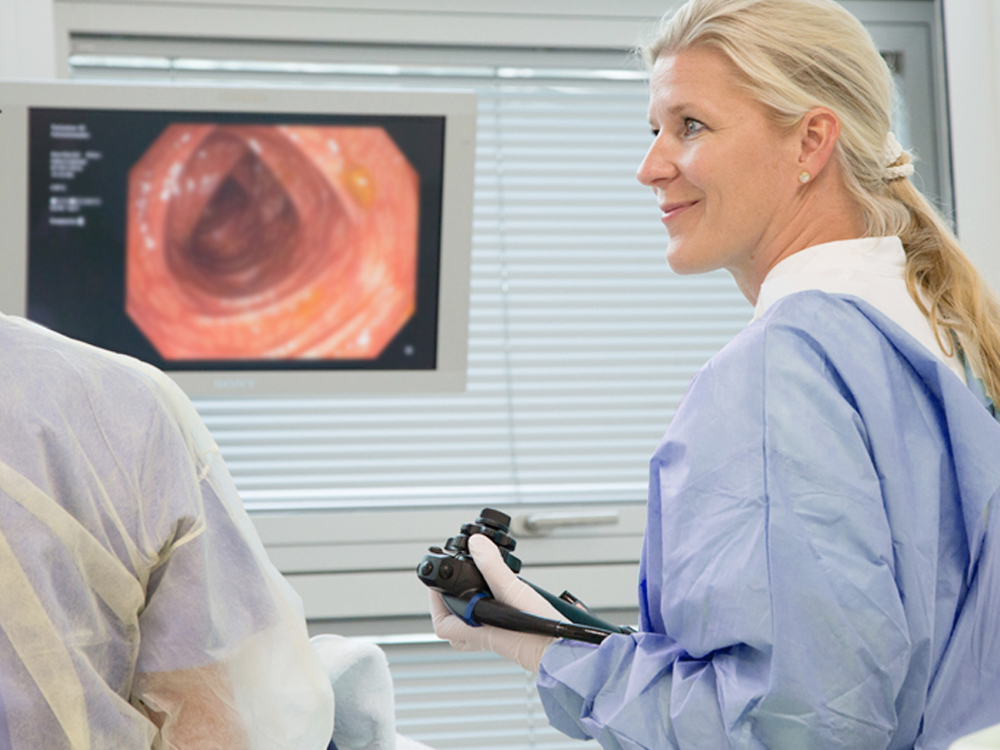
  • Colonoscopy (colonoscopy)
  • Defecography
  • Anorectal manometry
  • Transit time studies

Individual assessment

Diagnostics should be individualized based on the patient's specific symptoms and medical history. Not all patients require comprehensive diagnostic tests. In patients with typical symptoms and without alarm signals, empirical treatment can be considered. The decision for further diagnostic measures should be based on clinical judgment, patient preference and the availability of diagnostic resources.

Treatment approaches

Treatment methods aim to alleviate symptoms and improve quality of life. Treatment may include a combination of dietary changes, increased physical activity, behavioral changes and, if necessary, drug therapies.


Dietary measures and lifestyle changes

  • High-fiber diet: An increase in fiber intake can improve stool consistency and speed up intestinal transit. A gradual increase is recommended in order to minimize flatulence and other gastrointestinal complaints.
  • Adequate fluid intake: Adequate hydration supports stool consistency and facilitates intestinal transit.
  • Regular physical activity: Exercise can promote intestinal motility and is particularly important for the prevention and treatment of constipation.
  • Behavioral changes: These include maintaining regular toileting habits and promoting a relaxed environment to facilitate bowel movements.


Pharmacological therapy

  • Laxatives: Various classes of laxatives, including bulk formers, osmotic and stimulant laxatives, can be used. The choice of laxative should be based on symptoms, response to previous treatments and patient preference.
  • Prokinetics: In patients with delayed gastric emptying or a slow transit time, prokinetics such as prucalopride may be helpful to promote intestinal motility.
  • Secretagoga: Drugs such as lubiprostone and linaclotide work by increasing fluid secretion in the intestine and can improve the symptoms of constipation.
  • Biofeedback therapy: For patients with anismus or pelvic floor dysfunction, biofeedback can be an effective treatment to improve the coordination of the pelvic floor muscles.

Specialized interventions

  • Surgical options: In rare cases, especially in cases of structural abnormalities or failure of conservative treatments, surgical procedures may be considered.
  • Neuromodulation: Techniques such as sacral nerve stimulation may be considered in selected patients with chronic constipation who do not respond to other treatments.


Individualized treatment

  • Multidisciplinary approach: Close collaboration between gastroenterologists, nutritionists, physiotherapists and, if necessary, psychologists is crucial in order to develop a holistic treatment plan.
  • Patient education: Informing the patient about the disease, the treatment options and the importance of adhering to the therapy is of central importance for the success of the treatment.
  • Long-term management: Chronic digestive problems often require long-term management, including regular assessments and adjustments to the treatment strategy.

Our attending physicians at Stephansplatz

PD Dr. med. Viola Andresen
Specialist in internal medicine, nutritional medicine & palliative medicine
Focus on functional gastroenterology

Further information...

Dr. med. K. Ahmadi-Simab
Medical Director
Specialist in internal medicine,
Rheumatology, clinical immunology, gastroenterology

Further information...

Dr. med. Stephanie Thiel
Specialist in general medicine,
functional gastroenterology

Further information...

Dr. Strate Specialist Visceral Surgery Hamburg

Ursula Strate, MD
Specialist in surgery and visceral surgery, focus on endoscopy, proctology

Further information...

Dr. Dein Gastroenterologist Hamburg

Dr. med. Thomas Dein
Specialist in internal medicine,
Gastroenterology, nutritional medicine

Further information...

MEDIZINICUM Nutrition Counselling Fuhrbach-Sabine

Sabine Fuhrbach
Nutritionist,
Personal Trainer

Further information...

Locations & Contact

Our locations in Hamburg

Our location in Schleswig-Holstein

x
Telephone
Radiology St. Stephen's Square Othmarschen Nienstedten Wellingsbüttel New wall Bergedorf On the Alster Fontenay Ahrensburg
Online appointment Recipe Forms