Gastroenterology MEDIZINICUM Niendorf

Abdominal Center

Specialist institute for gut health and nutrition

We at the MEDIZINICUM Hamburg Abdominal Center are here to help you with diseases of the digestive tract and nutritional problems.

Chronic abdominal complaints are among the most common health problems and can have a variety of causes. Whether abdominal pain, intestinal cramps or flatulence, whether heartburn, nausea or bloating, whether constipation or diarrhoea: at the Abdominal Centre of the Medizinicum, we specialize in clarifying the various symptoms of the digestive tract with a wide range of diagnostic services, identifying possible causes and developing individual treatment strategies.

A particular focus is on functional digestive diseases such as irritable stomach syndrome or irritable bowel syndrome. We are also your point of contact for structural digestive diseases, including gastric mucosal or intestinal inflammation, and for bowel cancer prevention and aftercare.

Another focus of the Abdominal Center is nutritional medicine, in particular the diagnosis and treatment of food intolerances as well as the assessment and nutritional treatment of malnutrition, obesity and nutrition-related diseases.

Overview of diseases of the digestive tract

Functional Gastrointestinal Diseases Hamburg

Structural diseases

  • Chronic inflammatory bowel diseases
  • Colorectal cancer - prevention and aftercare
  • Esophageal reflux/heartburn
  • Gastritis/gastric ulcers, Helicobacter infection
  • Diseases of the pancreas
  • Liver diseases
Nutrition Consultancy-Nutrition Medicine-MEDIZINICUM-Hamburg-3

Nutritional medicine

  • Malnutrition
  • Overweight
  • Metabolic Syndrome
  • Diabetes
  • Fatty liver
  • Food intolerances

News and current topics

Our diagnostic services

endoscopy

The endoscopy of the upper and lower gastrointestinal tract is carried out with a thin flexible glass fibre instrument at the tip of which a tiny video camera is located. The images are transferred to a television monitor. The patient can also view these pictures. If desired, these examinations can be carried out in sedation (twilight sleep) so that the examination is painless. All endoscopic examinations require you to appear sober. In the case of intestinal examinations, additional intestinal cleansing must be carried out beforehand according to instructions.

Ultrasound

The underlying organs can be examined by placing an ultrasound probe on the skin from the outside. The size of the organs and the assessment of their structure can provide information on the state of health of the organs. Duration of examination: 10 min.
Ex. abdominal examinations:
  • liver
  • gallbladder
  • pancreas
  • kidneys
  • spleen
  • abdominal artery
  • urinary bladder
Functional examinations:
  • Gastrointestinal transit time measurements (Hinton test, 13C and H2 breath tests)
  • H2 breath test (lactose, fructose, sorbitol intolerance, bacterial overgrowth)
  • Pancreas function tests (e.g. 13C triglyceride test)

Laboratory tests

Blood, stool and urine tests are an important part of the diagnosis of abdominal complaints. In addition to routine diagnostics (blood count, electrolytes/blood salts, liver, kidney, thyroid and pancreas, inflammation values), a variety of special examinations can be added. These include, for example

  • Stool tests for pathogens and for the inflammation marker calprotectin and the intestinal barrier marker zonulin
  • Blood tests for coeliac disease (gluten-related intestinal inflammation), mast cell disease, C1 esterase inhibitor deficiency
  • Blood tests for infections or autoimmune diseases
  • Blood tests for food allergies (specific IgE antibodies)
malignant tumor medical-um-2

Radiological examinations

Various radiological procedures can be used to image the abdominal organs and the large blood vessels and lymph nodes of the abdominal cavity so that structural changes such as inflammation, tissue growths/tumors, narrowing or widening of the digestive tract, gallstones, fatty liver, accumulation of abdominal fluid or enlarged lymph nodes can be detected.

Procedures used are, for example: abdominal CT, abdominal MRI, radiological vascular imaging (angio-MRI)

Gastroenterological functional diagnostics
(H2 and 13C breath tests)

These tests measure the bacterial metabolism of certain sugars in the intestine and are suitable for diagnosing certain intolerances or allow conclusions to be drawn about certain intestinal functions. Intestinal bacteria break down carbohydrates to produce hydrogen (H2), which enters the bloodstream via the intestine and is then exhaled through the lungs. Patients simply have to drink a sugar solution suitable for their problem and then, at fixed intervals over a period of 3 hours, blow their exhaled air into a small device that measures the H2 concentration.

  • Lactose H2 breath test (lactose = milk sugar)
  • Fructose H2 breath test (fructose = fruit sugar)
  • Sorbitol H2 breath test (Sorbitol = sugar substitute)
  • Glucose H2 breath test (glucose = dextrose)
  • Lactulose H2 breath test (lactulose = "artificial" sugar)
H2 breath test
Nutrition Medicine Nutrition Consulting-MEDIZINICUM-hamburg-2

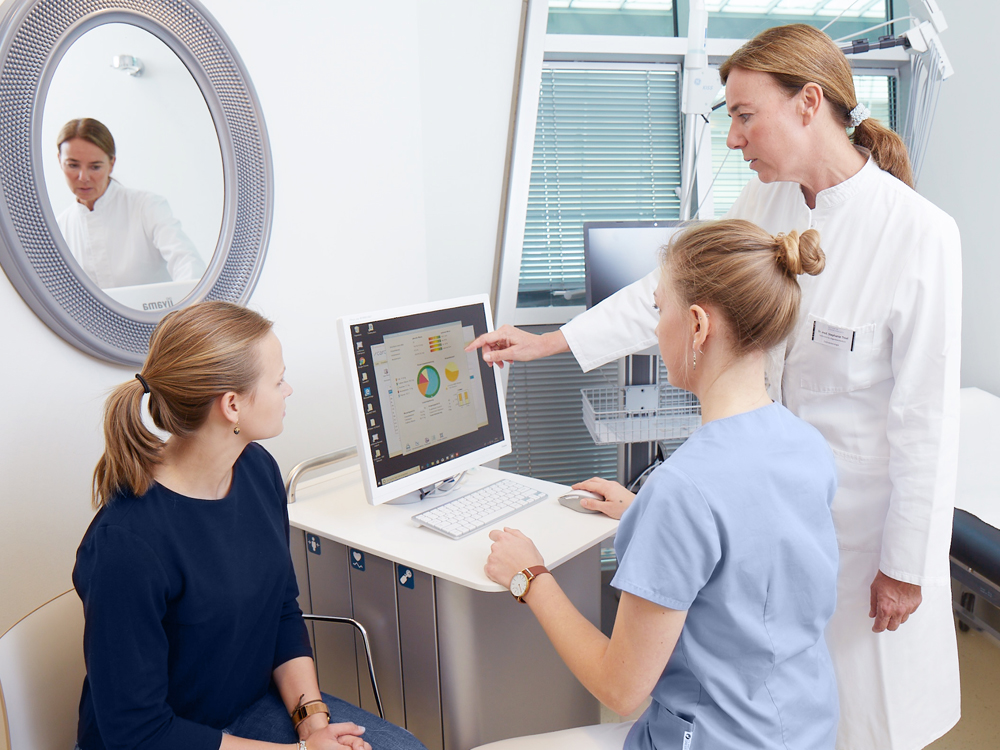
Measurement of body composition (BIA)

Biomass measurement using BIA scales (breakdown of body mass into fat, water, bone and muscle)

Our attending physicians

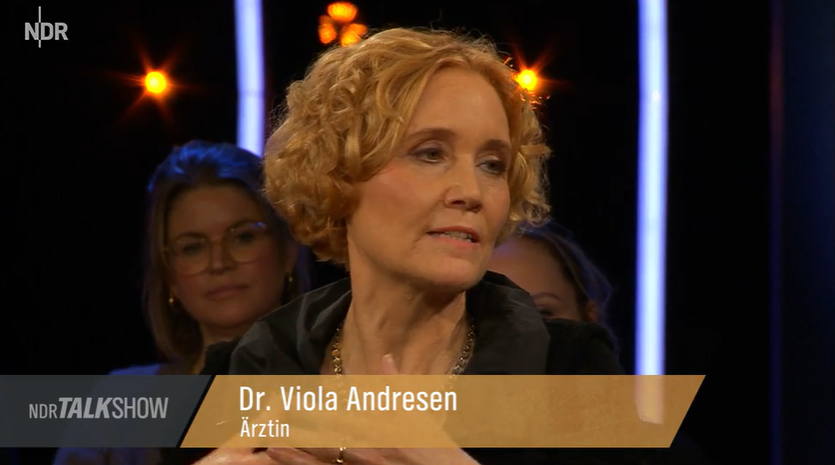
PD Dr. med. Viola Andresen
Specialist in internal medicine, nutritional medicine & palliative medicine
Focus on functional gastroenterology
Head of Abdominal Center

Further information...

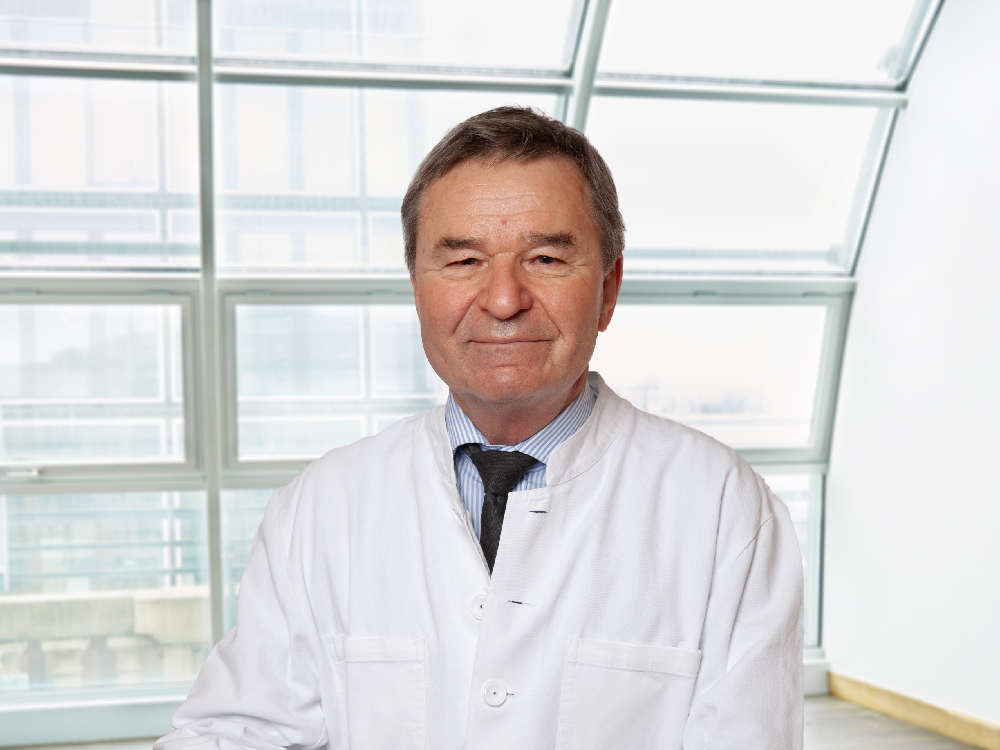
Dr. med. K. Ahmadi-Simab
Medical Director
Specialist in internal medicine,
Rheumatology, clinical immunology, gastroenterology

Further information...

Dr. med. Stephanie Thiel
Specialist in general medicine,
functional gastroenterology

Further information...

Dr. Strate Specialist Visceral Surgery Hamburg

Ursula Strate, MD
Specialist in surgery and visceral surgery, focus on endoscopy, proctology

Further information...

Dr. Dein Gastroenterologist Hamburg

Dr. med. Thomas Dein
Specialist in internal medicine,
Gastroenterology, nutritional medicine
Medical director of endoscopy

Further information...

MEDIZINICUM Nutrition Counselling Fuhrbach-Sabine

Sabine Fuhrbach
Nutritionist,
Personal Trainer

Further information...

Prof. Dr. med. Peter Layer
Specialist in internal medicine and gastroenterology

Further information...

Medizinicum Hamburg Favicon

Abdominal Center
Specialist institute for gut health and nutrition

Date & Directions

MEDIZINICUM-Contact-Doctor-Appointment-Hamburg-1

040 - 320 88 31-0

info@medizinicum.de
Fax: 040 - 320 88 31-30
Contact form >>

Opening hours:
Mon.-Fri. 08.00-18.00 h

and by appointment

Abdominal Center
Stephansplatz 3
20354 Hamburg

Locations & Contact

Our locations in Hamburg

Our location in Schleswig-Holstein

x
Telephone
Radiology St. Stephen's Square Othmarschen Nienstedten Wellingsbüttel New wall Bergedorf On the Alster Fontenay Ahrensburg
Online appointment Recipe Forms