
Have you ever experienced this? You are sitting at your desk or lying in bed and want to fall asleep and suddenly your heart starts to falter, short pauses and the feeling of an uncontrollable "sinking" occur. Then it continues to beat normally. Or: suddenly the heart races for unknown reasons and you are overcome with inner nervousness and panic. These symptoms can put a considerable strain on everyday life with sleep disturbances and worries about your health.
Cardiac arrhythmias, such as palpitations or tachycardia, are among the most common complaints in cardiology consultations and affect young people through to senior citizens. After a detailed consultation, an ECG, a blood test and an ultrasound of the heart (echocardiography) are usually performed. However, the findings are often unremarkable, in which case a long-term ECG is performed over 48 hours with mostly unremarkable results: a typical screening effect.
What now?
 In recent years, thanks to improved technology for detecting heart rates, watches (known as smart watches or wearables) have become established and many are now recognized as medical devices. Either a pulse curve is created using infrared rays and the red blood pigment haemoglobin (photoplethysmography), or an ECG is written using two leads (e.g. wrist and finger). The accuracy for diagnosing atrial fibrillation, a cardiac arrhythmia that can lead to a stroke, is 90%. Did you know that atrial fibrillation occurs in every 3rd EU citizen over the age of 55? Extra beats (extrasystoles) are also detected. Disadvantages of such a watch: there is still too much blurring (artifacts) due to physical movement. In addition, the wearer must be able to operate the ECG function and uninterrupted recording (24 hours a day) is not guaranteed. Incidentally, heart attacks or far more dangerous fast or slow cardiac arrhythmias, e.g. resulting in loss of consciousness (syncope), cannot be diagnosed with this device.
Reasons for using ECGs or smartwatches with an ECG function: disturbing palpitations or rapid heartbeat.
Still haven't found anything? What next?
Implantable event recorders
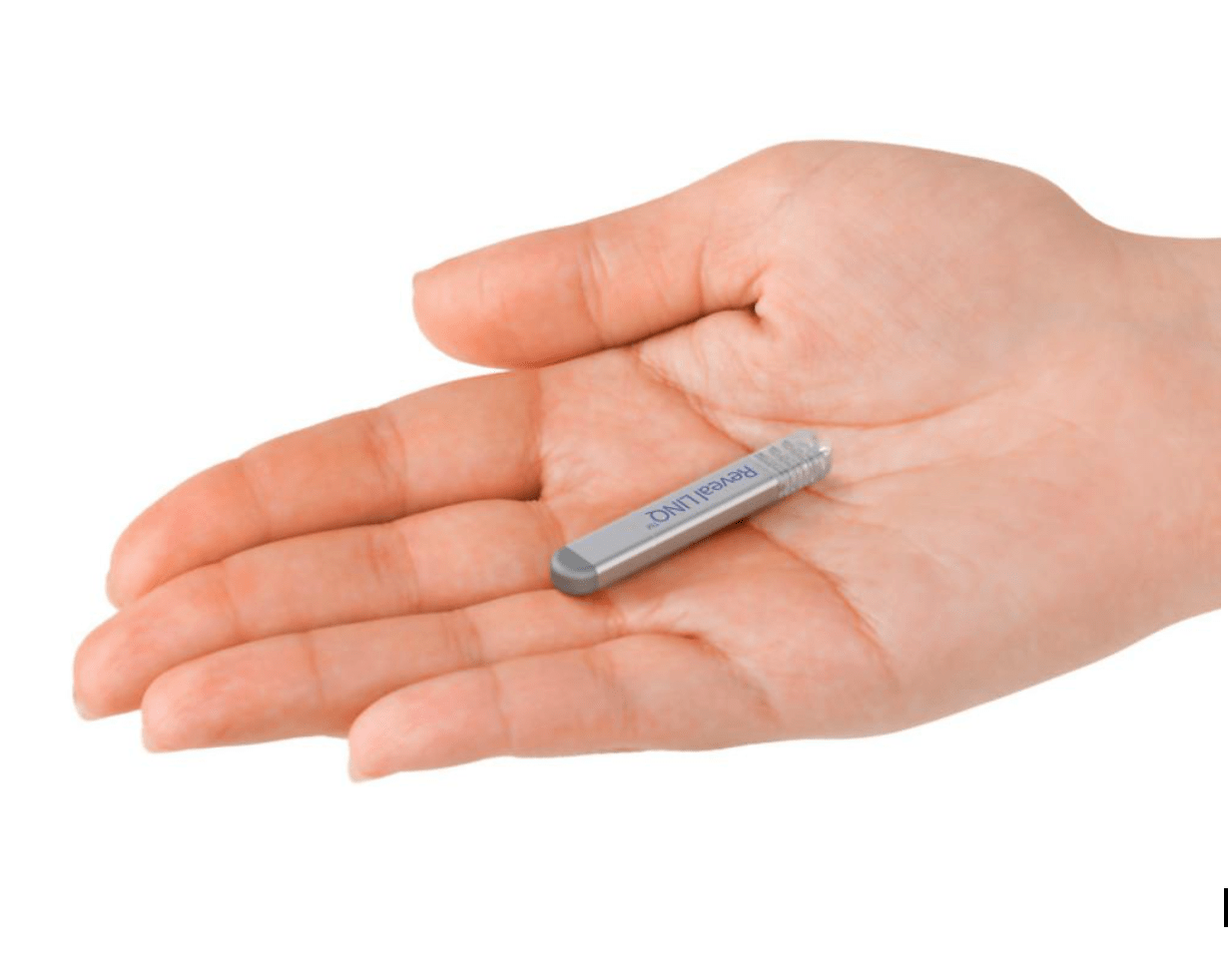
Now so-called implantable event recorders (ILR = implantable loop recorder) are being used. A small microcomputer similar to a USB stick is implanted under the skin at the level of the heart using local anesthesia. This usually takes a few minutes and is done in the surgery.
This device enables continuous monitoring of the rhythm and stores irregularities, which the doctor can then view on his computer via data transfer or "read out" during the next consultation. The patient also has the option of using a remote control to notify the device if he or she notices dizziness or palpitations, for example. This "marks" the exact time of occurrence. This monitor can remain in the body for up to 3-4 years and can be easily removed when the battery is exhausted.
Reasons for implanting an event recorder
- Unclear loss of consciousness
- unexplained stroke
- Detection of previously undetectable atrial fibrillation
- Assessment of success after treatment (ablation) of atrial fibrillation.
Can we help you further?
The cardiology department will be happy to answer any further questions you may have.
Sources: Veltmann: Cardiology 2023;17:406-417. Herzstiftung.de; Hindricks et al: Commentary on the ESC guidelines (2020) on the diagnosis and treatment of atrial fibrillation. Cardiologist 15:354-363 (2021).


